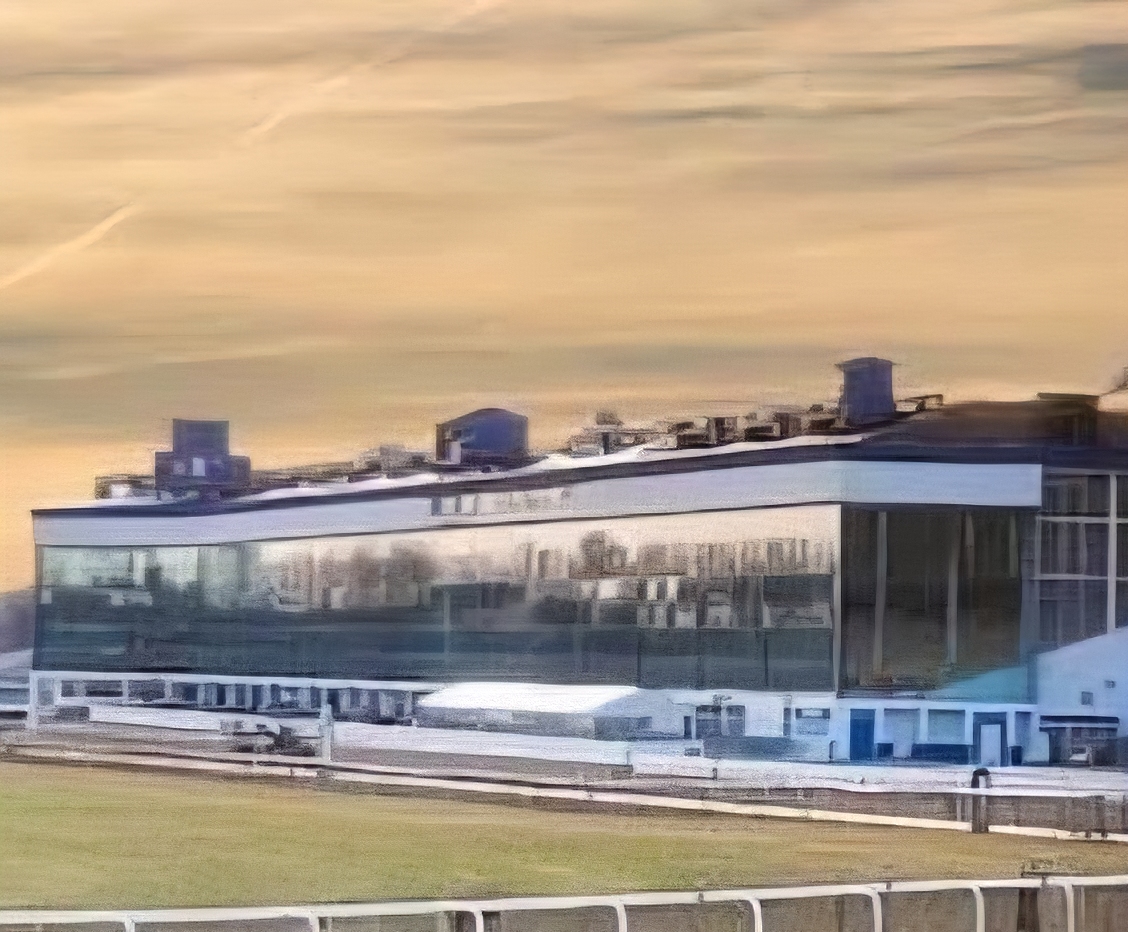
Maryland’s long-term vision for Thoroughbred racing took a decisive turn this week after the Maryland Stadium Authority reached a tentative agreement with The Stronach Group to purchase Laurel Park and redevelop it as the state’s primary Thoroughbred training center.
The agreement reshapes earlier redevelopment plans and is expected to save the state close to $50 million. Under the revised strategy, Pimlico Race Course will be rebuilt as the central venue for Maryland racing, operating on a ship-in model, while Laurel Park transitions from a racetrack into a full-scale, year-round training hub.
Maryland Stadium Authority chairman Craig A. Thompson described the move as a foundational step in safeguarding the future of the sport in the state, emphasizing that Laurel Park’s acquisition is about preservation as much as progress. Opened in 1911, the historic Anne Arundel County facility has hosted generations of champions, including Triple Crown winners War Admiral and Secretariat, and remains deeply embedded in Maryland’s racing identity.
Since January 1, 2025, Laurel Park has been leased by the state as an interim racing venue while Pimlico undergoes redevelopment. That lease arrangement, approved in May 2024, had originally called for racing at Laurel to cease permanently once the term expired. The new agreement alters that course by assigning Laurel Park a renewed role focused entirely on training and equine care.
Final terms are expected to be completed in the coming weeks, subject to approvals and closing procedures. Once finalized, the Maryland Stadium Authority will assume ownership, using existing project funds, with the state later seeking to offset costs through mechanisms such as revenue bonds issued by the Maryland Economic Development Corporation. The Maryland Jockey Club will continue to manage daily operations at Laurel Park under state ownership.
With approximately 1,100 stalls available, Laurel Park will serve as the centralized base for training and stabling, eliminating the need for large-scale new stall construction at Pimlico. That shift alone is projected to save the state $26.3 million in construction costs, preserve about 1,000 parking spaces, and support roughly 500 jobs in the Laurel area. The Maryland Jockey Club also estimates annual operating savings of about $2.5 million by consolidating overnight staff at a single training location.
Pimlico, once rebuilt, will host racing days without permanent stabling, with horses and trainers shipping in as needed. Maryland Jockey Club executive director Bill Knauf said the model allows Pimlico to function as a modern, efficient racing venue while taking advantage of Laurel Park’s proven dirt and turf surfaces for daily preparation.
The revised plan also trims an additional $22.5 million by replacing a previously proposed large-scale event center at Pimlico with smaller, targeted gathering spaces inside the upgraded clubhouse. Those areas are expected to include dining and meeting facilities capable of hosting about 1,500 people.
A separate task force will be assembled to evaluate the future of Shamrock Farm, with potential options ranging from equine rescue use to recreational development.
Industry leaders have broadly welcomed the shift. Maryland Thoroughbred Horsemen’s Association president Katharine M. Voss said the plan delivers long-term certainty for horsemen and workers while reinforcing Maryland racing as a sustainable economic driver.
The 151st Preakness Stakes will be run at Laurel Park on May 16, 2026, before the race returns to a rebuilt Pimlico in spring 2027. Once complete, Pimlico is expected to host roughly 120 racing days annually as the permanent home of Maryland racing.
Maryland’s horse industry generates an estimated $3 billion in economic activity, accounts for more than a quarter of the state’s agricultural land, and supports over 28,000 jobs, underscoring the stakes behind the state’s latest realignment.
Image Maryland Jockey Club
|






.jpg)