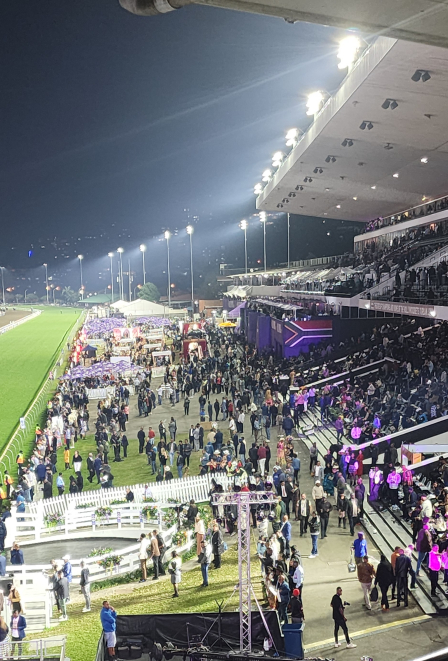
The Durban July’s boost to R10 million grabs headlines and places it above Johannesburg’s Summer Cup, now the former nation’s richest prize. But while the spotlight shines on that single day, the everyday economic realities for breeders, owners and trainers have not seen the same lift. This is especially so when the sponsor of the July is also the sole owner of racing in that province, so it isn't external funding.
The Stakes Structure: Designed for the Few
Thanks to the copying of the Australian system of breeding sprinters more than distance horses the programme leans heavily toward sprinter-miler types, which shapes stallion choices, breeding decisions and training plans. Yet the biggest prize money is an 11f race. That model of breeding to lower distances can work — but only if mid-level and lower-tier prize money is meaningful enough to support reinvestment. At present, it isn’t. South Africa cannot sustain breeding both sprinters and staying types in the current climate in an attempt to fill both the shorter distances and July type horses. The only way for this to work is a total increase in prize money.
One headline race of R10 million does little to help breeders facing rising input costs and shrinking foal crops. For smaller owners and trainers, low stakes on ordinary cards make reinvesting into bloodstock and operations increasingly unattractive. It's a great sell but now must be backed by overall major increase in stakes for all races. Decreasing race events and keeping stakes increased at a minimal level can only work for so long and the spread of Stakes earned per horse is less with larger field sizes.
Foal Crop Pressure: The Numbers
Falling juvenile participation and fewer horses in training undermine the long-term health of the industry. Below are the recent snapshots that underline the challenge:
Key statistics
| Metric |
2024 |
2023 |
| Total Stake Money Paid |
R395,911,125 |
R377,372,000 |
| Highest Stake Paid |
R6,000,000 |
R7,500,000 |
| Races Worth R1 Million+ |
34 |
35 |
| Number of Horses That Raced |
4,433 |
4,569 |
| Number of 2YO That Raced |
867 |
928 |
Raise the Base, Not Just the Peak
If growing the foal crop is the objective, the solution isn’t more headline prizes alone. The industry needs reliable, higher-paying mid-tier stakes, meaningful maidens and incentives that make breeding and racing at the grassroots level financially viable. That includes:
- Sharply increasing mid-level stakes so owners and trainers can reinvest in bloodstock.
- Strengthening juvenile incentives and breeders’ premiums to encourage mating decisions that produce raceable foals.
- Revising the programme to reward consistent participation rather than concentrating value on a handful of feature days.
South Africa also has a Mauritian problem with high levels being paid for lesser horses to support Mauritian racing whilst the local tracks decrease in overall field size. Effectively, Mauritius has taken South African horses out a weakened South African system.
The Durban July’s R10 million is a triumph for a single day — but it risks becoming a symbol of imbalance if the wider programme remains underfunded. Long-term industry health depends on broad-based prize-money increases and incentives that keep breeders producing and smaller owners investing. Without those foundations, one mega-race cannot rebuild a shrinking foal crop or sustain a vibrant racing economy.
|