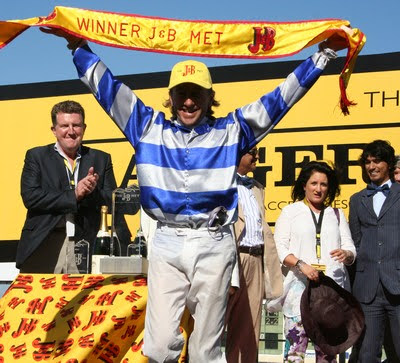
The noise around the Cape Town Met has been impossible to ignore. What should have been a build-up defined by anticipation has instead been overshadowed by anger over the final field size. Supporters have been vocal, and in many cases unforgiving, about a race that drew limited participation from outside the province and leaned heavily on runners from a single stable. For an event that once stood as a defining moment on the Cape sporting calendar, the optics have been difficult to defend.
None of this happened overnight. The warning signs have been visible for some time, and the current backlash feels more like a release of long-held frustration than a sudden mood swing. Attempts to protect the race’s stature have not translated into broader buy-in, and the disconnect between administrators, independent media, and the paying public is now impossible to dismiss. Racing people speak quietly about division; fans now talk about it openly.
That said, it would be unfair—and inaccurate—to suggest the Met itself lacks quality. Strip away the politics and the debate around numbers, and the race still brings together some genuinely high-class horses. Several runners arrive with ratings that place them comfortably among the best middle-distance performers in the country, and there is proven Grade 1 form scattered through the field. From a pure racing perspective, the contest remains deep enough to produce a worthy winner and, potentially, a performance that resonates beyond the controversy.
That contrast is what makes the moment so uncomfortable. On the track, the ingredients for a top-class renewal are still there. Off it, the sport is wrestling with credibility, trust, and a fan base that no longer feels heard. The Met can still deliver a great race—but unless this serves as a broader wake-up call, even outstanding performances may struggle to repair the damage already done.
|