In South African racing, there is an unspoken rule: don’t air your own dirty laundry. Problems are to be handled internally, critics are treated with suspicion, and uncomfortable truths are often dismissed as attacks on the game. That culture makes the recent 4Racing article on the Gauteng Guineas incident stand out — not because it was sensational, but because it was honest.
The piece did something rare in the local landscape. It documented a breakdown that occurred on a race meeting staged by 4Racing itself, and it did so without deflection, spin, or finger-pointing at outsiders.
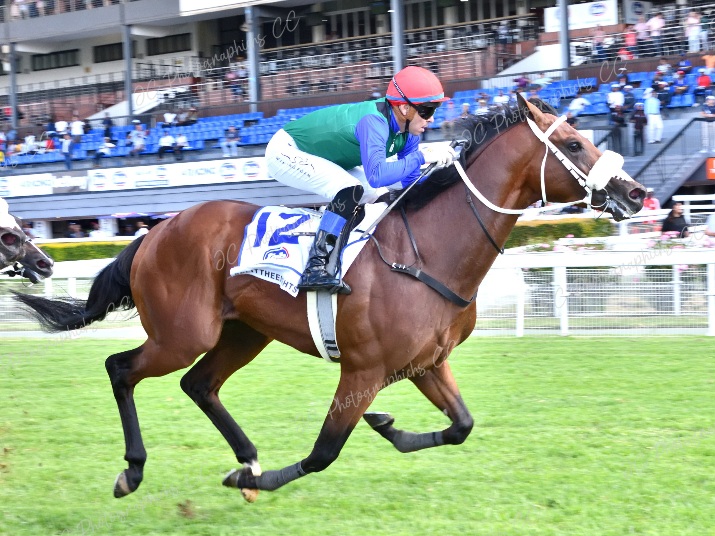
At the center of the incident were Mike and Mathew de Kock, whose Guineas day should have been straightforward. They trained the winner, Splittheeights, and also finished third with One Eye On Vegas in a R1-million Grade 2. Interviews were done. Presentations completed. The job, as far as they knew, was finished.
Only later did they discover that One Eye On Vegas had been demoted to fourth following a successful objection — an inquiry they were completely unaware of and did not attend.
The article does not attempt to soften that reality. It states plainly that the stable was not contacted, despite being easily reachable, and that the only representative present was jockey Sean Veale. It also records, on the record, Mike de Kock’s view that the process was “thoroughly unprofessional” and that he disagreed with the decision itself.
What makes the piece different is that it does not stop there.
It acknowledges a systemic failure — the Turffontein parade ring sound system — and confirms that even independent journalists present did not hear the inquiry announcement. That detail matters. It removes the convenient fallback that “procedures were followed” and replaces it with a more uncomfortable truth: procedures may exist, but they did not work.
Equally important is that the article allows space for the regulators to explain themselves, while still exposing the weakness. Chief Stipendiary Steward Lyle Anderson’s explanation — that the hooter was not working and time pressure forced the inquiry to proceed — is reported, not endorsed. Readers are left to draw their own conclusions about whether urgency should outweigh participation and fairness.
Perhaps the most telling line in the story comes at the end. Stipendiary steward Ryan Hutcheson phoned De Kock to apologize.
“It’s rare we get an apology from the stipes,” De Kock said.
That sentence lands harder than any accusation. It speaks to expectations that have been lowered over time — and to why transparency matters.
In publishing this piece, 4Racing did not shield itself behind corporate distance. It did not attack the trainer for speaking out. It did not accuse journalists of negativity or of harming the sport’s image. Instead, it accepted that the incident happened on its watch, that the experience was flawed, and that the people affected deserved to be heard.
That approach sets it apart from a long-standing habit in South African racing: condemning the messenger instead of interrogating the message. Progress in any sport does not come from pretending systems are infallible. It comes from acknowledging where they fall short — publicly, calmly, and on the record.
In that sense, this was not just a report on a Guineas objection. It was an example of how a racing operator can choose credibility over comfort.
Image JC Photos
|