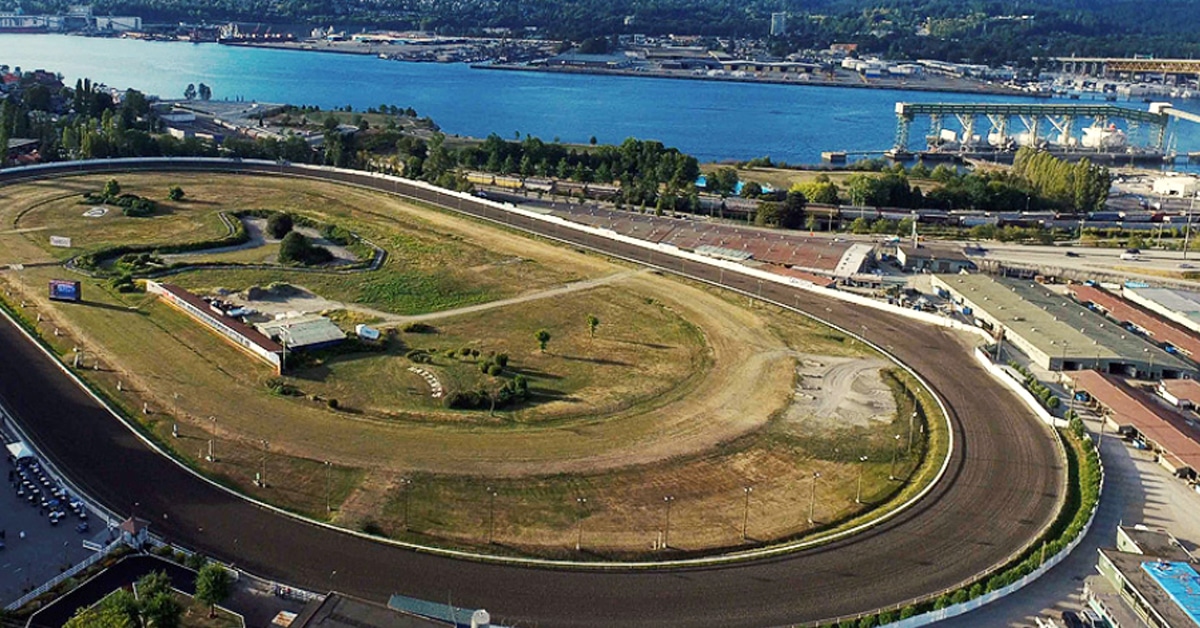
The final chapter has been written at Hastings Racecourse, bringing an abrupt end to more than a century of thoroughbred racing in East Vancouver. In a move that stunned both the local racing community and longtime patrons, Great Canadian Entertainment announced that live racing at the historic oval would cease immediately, drawing closure to an institution that first opened its gates in 1889.
The decision, described by the operator as a straightforward matter of financial survival, reflects the stark economic realities that have been building for years. Without the provincial gaming subsidies the track historically relied upon—and facing shrinking attendance, lower wagering, and rising operational costs—the numbers no longer added up. The casino and simulcast wagering will continue, but the unmistakable soundtrack of hooves pounding down the long Vancouver stretch has fallen silent.
That silence arrives at a surprisingly pivotal moment in Vancouver’s broader sporting landscape. Just days earlier, Major League Soccer commissioner Don Garber referred to the Vancouver Whitecaps’ tenancy at BC Place as “untenable,” framing the need for a soccer-specific stadium as urgent. The club has been exploring potential locations with the Pacific National Exhibition (PNE), and among sports planners and urban observers, one site has consistently floated to the top: the Hastings Racecourse footprint.
It’s not hard to see why. The acreage, transit access, and existing entertainment zoning make it an unusually flexible redevelopment opportunity within city limits. With the future of the PNE itself under review, the abrupt end of racing could accelerate conversations about repurposing the land—whether for a stadium, expanded park space, mixed-use development, or a combination of all three.
But the economic pressures behind the closure extend far beyond land value. The provincial government’s move to discontinue the longstanding flow of casino-related revenue to horse racing was a blow the industry had few tools to absorb. For many years, that funding served as the lifeline that kept purses, backstretch employment, and racing operations viable. Once withdrawn, the gap was too wide to bridge.
The decline wasn’t merely financial. Public scrutiny over horse welfare had intensified in recent seasons, fueled by investigations and a series of equine fatalities at Hastings that placed the track under an uncomfortable spotlight. Advocacy groups pressed for reforms and questioned whether urban parkland should continue supporting an activity they viewed as outdated and ethically fraught. Their pressure, combined with dwindling public engagement, added another layer of complexity to the venue’s struggle for relevance.
For the tight-knit community of trainers, grooms, riders, and small breeders who had long anchored British Columbia’s racing scene, the closure lands with a human weight that spreadsheets cannot show. This decision reshapes livelihoods, not just a historic grandstand. Many will be forced to relocate horses, seek employment at other tracks across Canada or the United States, or leave the industry entirely.
In a city where heritage and modernisation often collide, the story of Hastings Racecourse ends not with a dramatic final race, but with a business assessment—the kind that quietly decides the fate of institutions. And yet, the site’s next chapter may be just as transformative as the one that preceded it. Whether it becomes a stadium, community asset, or something entirely new, the land will almost certainly return to the civic conversation in the months ahead.
What’s certain is that the departure of Hastings leaves an unmistakable void. For 133 years, racing shaped the rhythm of this corner of Vancouver. Now the track’s iconic red rail stands as a reminder of an era that has passed—and of a future still being imagined.
|




.jpg)