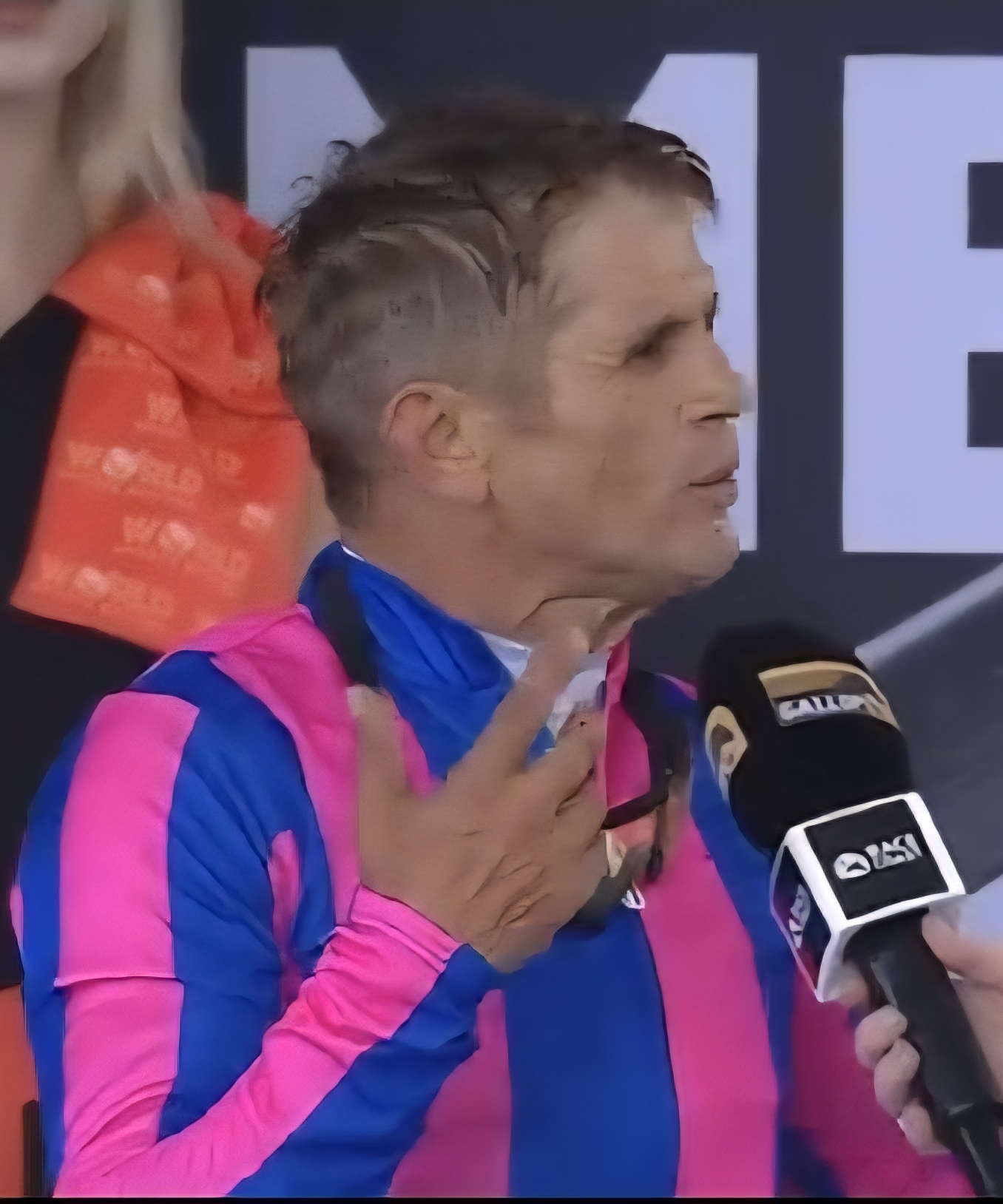
For a race that has spent the post-Covid years searching for relevance, the 2026 Cape Met finally found its headline — and its heartbeat — in Andrew Fortune.
Fortune, rolling back the years in front of his home crowd, delivered a four-timer that lifted the day well beyond the result of a single race. It was the authority of the performances, the clarity of the post-race interviews, and the sense of occasion he restored that gave the Met something it has lacked for too long: narrative.
The centerpiece came in the Met itself, where Fortune produced a composed, patient ride on See It Again to land the Grade 1 prize. Once dismissed by punters after a string of near-misses earlier in his career, the gelding returned a revitalized horse and finally secured the elite-level victory that had long eluded him as an older runner. Cast as the pantomime villain in the build-up, See It Again instead delivered redemption on the biggest stage.
Fortune’s victory carried added resonance. Having effectively inherited the senior statesman role following the retirement of Piere Strydom last season, he now finds himself the standard-bearer of a generation. That theme deepened when he beat home his own son, who produced a remarkable ride to finish second at 33-1. It was a moment that underlined both continuity and longevity — a veteran at the peak of his powers, holding off the future.
Former star Eight On Eighteen, meanwhile, continues to search for his best form, finishing eighth, 5.15 lengths adrift — an honest but sobering reminder of how quickly the spotlight can shift at the highest level.
Fortune’s dominance was not confined to the Met. Earlier in the day, he steered Double Grand Slam to victory before producing arguably the ride of the meeting aboard All The Rage in the Winchester Sprint Cup. Lifting the horse off his knees early on the race after a stumble, Fortune was emphatic afterward in labeling him “Group 1 caliber,” a statement backed up by the manner of the win. His quartet was completed in Race 2 with Note To Self, rounding out a day that belonged entirely to “The Candyman.”
Away from the saddle, the event itself told a more complicated story. Attendance appeared average rather than exceptional, and from a media perspective the day unfolded under a cloud. This publication received no invitations, briefings, or official communication, a result of what can only be described as a total blackout from local organizers who had the same attitude for the other events of their season. Coverage was consequently limited, reflecting an environment where access appeared restricted to media either aligned with or owned by the organizers.
Even so, the racing cut through. For one afternoon at least, the Cape Met was rescued by the very thing it has always relied on at its best — a great jockey, a compelling story, and performances that reminded everyone why the race once mattered.
|



.jpg)