One-Day Headlines Must Give Way to the Bread and Butter of Racing
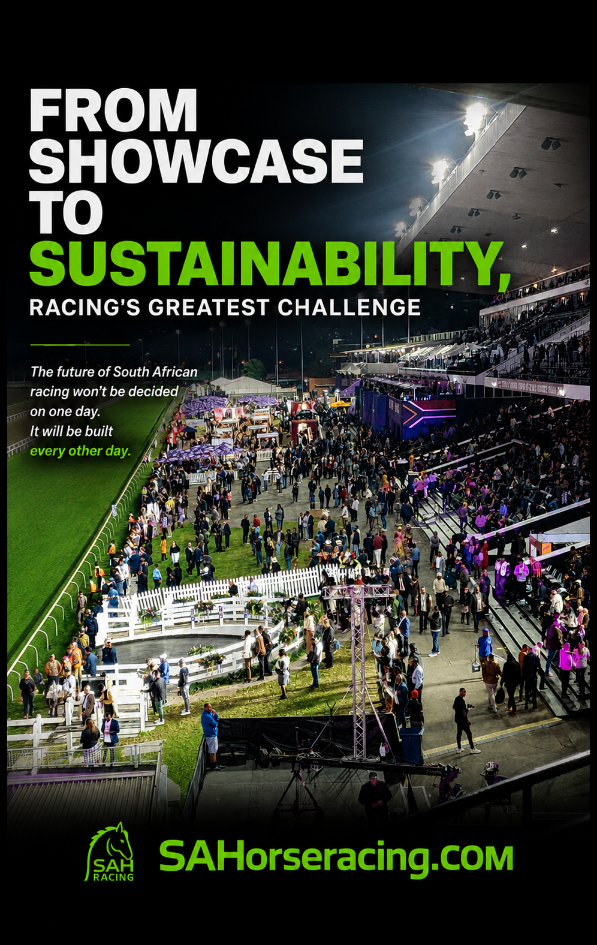
South African racing cannot build its future around a handful of showcase meetings while the foundations beneath the sport continue to weaken. Iconic racedays generate headlines and attract crowds, but they cannot disguise the challenges facing the industry throughout the rest of the year. Long-term sustainability depends on strengthening racing's everyday ecosystem rather than relying on annual festivals to carry the profile of the sport.
South African racing has already lost several flagship events through operator failures, systemic shortcomings and individuals who treated parts of the industry as personal business interests rather than assets belonging to the sport. Only a small number of racedays still carry genuine iconic status, yet they are often presented as though they exist in isolation from the broader racing calendar.
That approach contrasts with many of the world's premier racing festivals. Meetings such as Royal Ascot, the Dubai World Cup and the Kentucky Derby embrace participants, media and stakeholders who help showcase their events to wider audiences. The goodwill created through that inclusiveness extends beyond a single race meeting and strengthens the sport throughout the year.
The contrast becomes more apparent when viewed against South Africa's ordinary racedays, where attendance at some venues remains minimal. Operators seek widespread attention for major festivals, yet those same events exist within a racing programme that struggles for visibility during the rest of the season. Isolating stakeholders during the sport's biggest moments does little to build lasting engagement.
The Industry Cannot Depend on Party Days
The reality is that major racedays are infrequent and expensive to stage. They serve an important promotional purpose, but they should not become the industry's sole focus. Racing ultimately survives on consistent participation, wagering and investment across the full calendar.
From a betting perspective, questions also remain over liquidity. Many bookmakers continue to retain significant turnover within their own betting systems instead of contributing those funds towards larger tote pools. While that discussion extends beyond a single issue, it remains part of the broader conversation around growing the industry's overall value.
Day-to-day operations within South African racing continue to face significant financial pressure. Among the most pressing concerns is the declining foal crop, a challenge that begins with changing attitudes towards the long-term health of the sport.
Attempts to attract new participants are undermined when exclusion becomes part of the industry's culture. Likewise, major events that leave patrons feeling overcharged or undervalued risk discouraging repeat attendance. Lasting support is built through positive experiences rather than one-off occasions.
Breeding Remains One of Racing's Most Undervalued Assets
Few sectors illustrate the industry's challenges more clearly than breeding. Many breeders are struggling to remain viable, while the economics of producing racehorses continue to tighten.
The cost of preparing a yearling for sale, including stallion fees, can easily reach between R400,000 and R500,000. Recovering those costs is becoming increasingly difficult, placing sustained pressure on breeders who form the foundation of the racing industry. Stakes need a radical overhaul with a spread needed to attract more owners rather than flagship stakes that are won by a few.
Protecting the breed requires more than commercial success at sales. It demands consistent support from operators who understand that breeding, ownership, racing and wagering are interconnected rather than separate businesses. Hence strong and not token breeder subsidies are needed urgently and funds be extracted out of the stakes pot to fund breeders, growing skills in that sector and encourage investors in the breeding sector. This also creates direct employment.
Skills, Leadership and the Future
The industry's future also depends on developing expertise. South African racing still benefits from some exceptionally knowledgeable breeders whose experience has been accumulated over decades. Many of those individuals are approaching retirement, making the transfer of knowledge increasingly urgent.
At the same time, concerns remain about the depth of skills across other areas of the industry. Growth becomes difficult when leadership prioritises maintaining existing structures instead of developing new talent, creating opportunities and encouraging independent thinking.
Attracting intelligent, capable people into racing has rarely been more important. Difficult questions should be encouraged rather than avoided, particularly when the answers influence the sport's long-term direction. Without honest assessment, meaningful progress becomes increasingly difficult.
Large crowds at showcase meetings should not be mistaken for sustained growth. Many attendees come for the social occasion rather than the racing itself and seldom return outside those major festivals. Beyond the core racing community, there is little evidence of expansion, while several key indicators continue to point towards decline.
South African racing's future will not be secured by one spectacular day each year. It will be determined by the health of the sport on every other day, and by an industry prepared to place the horse, its people and the long-term future of racing ahead of short-term isolation and self-interest.
|


.jpg)